

 GMA Brandtalk
 Tracking
 Archives

UPLB researchers looking into better ube varieties amid popularity
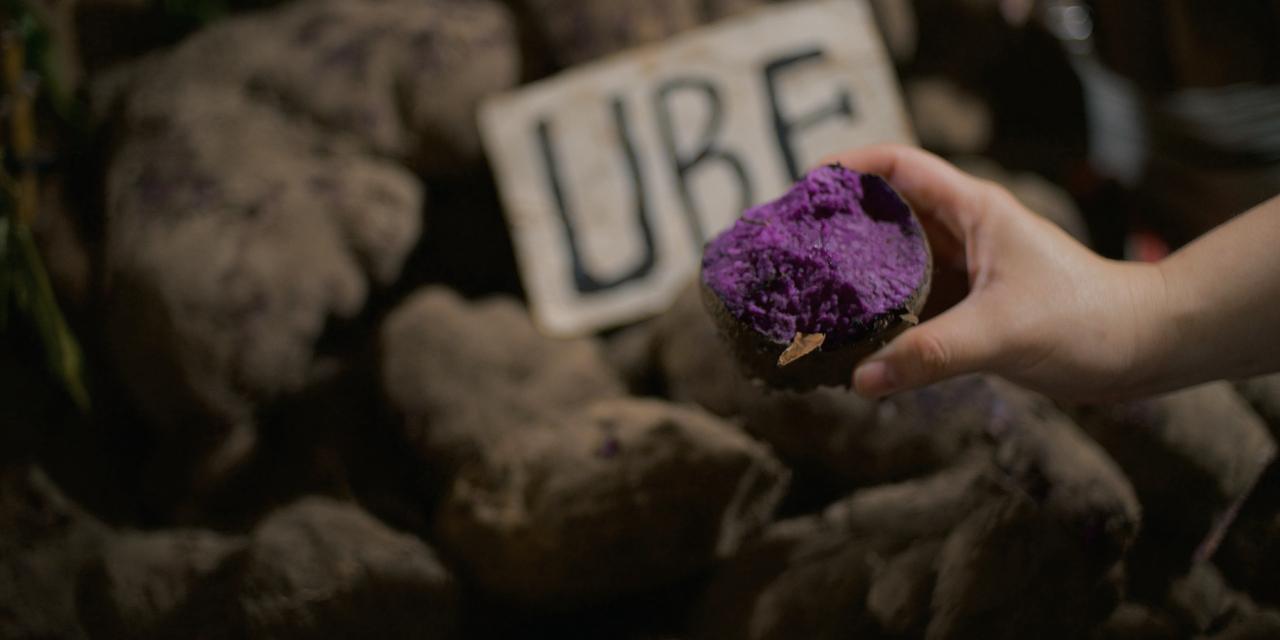
Researchers from the University of the Philippines Los Baños (UPLB) have identified 10 superior varieties of purple yam or ube as the root crop gaining popularity around the world, the Department of Agriculture (DA) said on Tuesday.
“After combing through 188 greater yam (Dioscorea alata) accessions from farms and gene banks across the country, they have unearthed 10 standout contenders that could anchor the next chapter of the country's ube story,” the DA said.
The DA pointed out not all ube are created equal as some have richer purple flesh while others have better flavor. It added that some ube varieties have creamy white flesh or orange flesh.
“Using thousands of genetic markers, researchers built DNA fingerprints for Philippine ube varieties, allowing them to tell one yam from another with scientific precision,” the department said.
“Villasis 2 emerged as a yield champion, producing more than 60 tons per hectare, while Kinampay remained the gold standard for flavor,” it added. “Other varieties excelled in aroma, color, or anthocyanins, the natural compounds behind ube's vivid hue and antioxidant punch.”
Further, the DA said genetic mapping can help assure exporters they are getting authentic ube from Filipino farmers.
“Genetic mapping can support future varietal identification and certification, helping ensure that farmers plant authentic stocks and giving exporters confidence that what leaves Philippine ports is exactly what buyers ordered,” it said.
Earlier, the DA said it will impose structure and long-term direction on the ube industry amid a high global demand for the root crop.
Ube is widely cultivated in Bohol, dubbed as the Philippines’ “Ube Capital, as well as in Benguet, Batangas, and Quezon.
The country has distinct cultivars, or plant varieties, like Ubi Kinampay of Bohol and Leyte Ubi, which it can proudly claim as uniquely Filipino. — LA, GMA News

