
 GMA Brandtalk
 Tracking
 Archives


Australia's refill store Scoop Wholefoods opens in PH
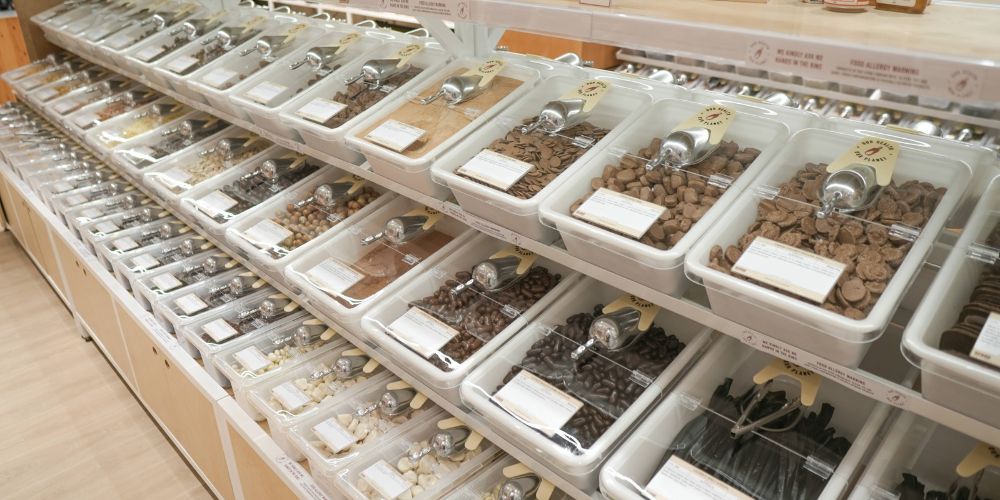
Ready to practice being mindful with your purchases? Check out Scoop Wholefoods. It's an Australian leading organic and refill store that has opened its first branch at Power Plant Mall in Makati.
Together with its personal care counterpart, Scoop Whole Beauty, the store offers an alternative to conventional shopping by allowing customers to purchase products in their preferred quantities using reusable containers or paper bags that could help reduce packaging waste and single-use plastics.
"Shopping by weight gives people the freedom to make healthier choices that respect both their budget and the planet," founders Jeremy and Bettina Kirk said in a press release.
“By choosing only the quantities they need, shoppers take full control of their spending, avoid waste and presumption, and reduce single-use plastics,” they added.
Aside from its international selection of wholefoods, the Philippine store also features locally sourced products, including rice from Family Farms and kombucha on tap from Brye and Brew.
The brand also plans to expand its partnerships with local farmers, artisans, and producers to bring more Philippine-made products to its shelves.
Meanwhile, Scoop Whole Beauty extends the refill concept to personal care, offering vegan and palm-oil-free skincare and cosmetics.
Shoppers can purchase liquid soaps, face masks, and body oils by weight, alongside plastic-free alternatives such as solid shampoo bars and compostable beauty tools. The selection also includes natural deodorants, face washes, and lip balms in compostable packaging.
Founded in Sydney in 2013, Scoop Wholefoods has since expanded to more than 20 locations worldwide, promoting a shopping model centered on mindful consumption and reducing waste.
As of writing, the Philippines has no nationwide law banning the use of single-use plastics in grocery stores.
However, in October, a bill was filed in the House of Representatives proposing food or cash incentives for households and organizations that turn over recyclable waste.
Under the proposed measure, one kilogram of recyclable plastic waste could be exchanged for one kilogram of commercial-quality rice or its cash equivalent.
Plastic pollution has become a global concern, with microplastics, or tiny pieces of plastic, found everywhere, including in human blood.
A study published in 2023 confirmed the presence of microplastics in Metro Manila air, while a 2024 study by the Cornell University, said the Philippines ingest the most microplastics among the 109 countries that participated.
The reuse and refill method that Scoop is utilizing is among the proposed solutions of experts. In the Philippines, reuse and refill is something we are familiar with, given our tingi culture and the history of bringing a garapon to the sari-sari store to buy our essentials. — LA, GMA News

