

 GMA Brandtalk
 Tracking
 Archives

DA ramps up El Niño preparedness measures
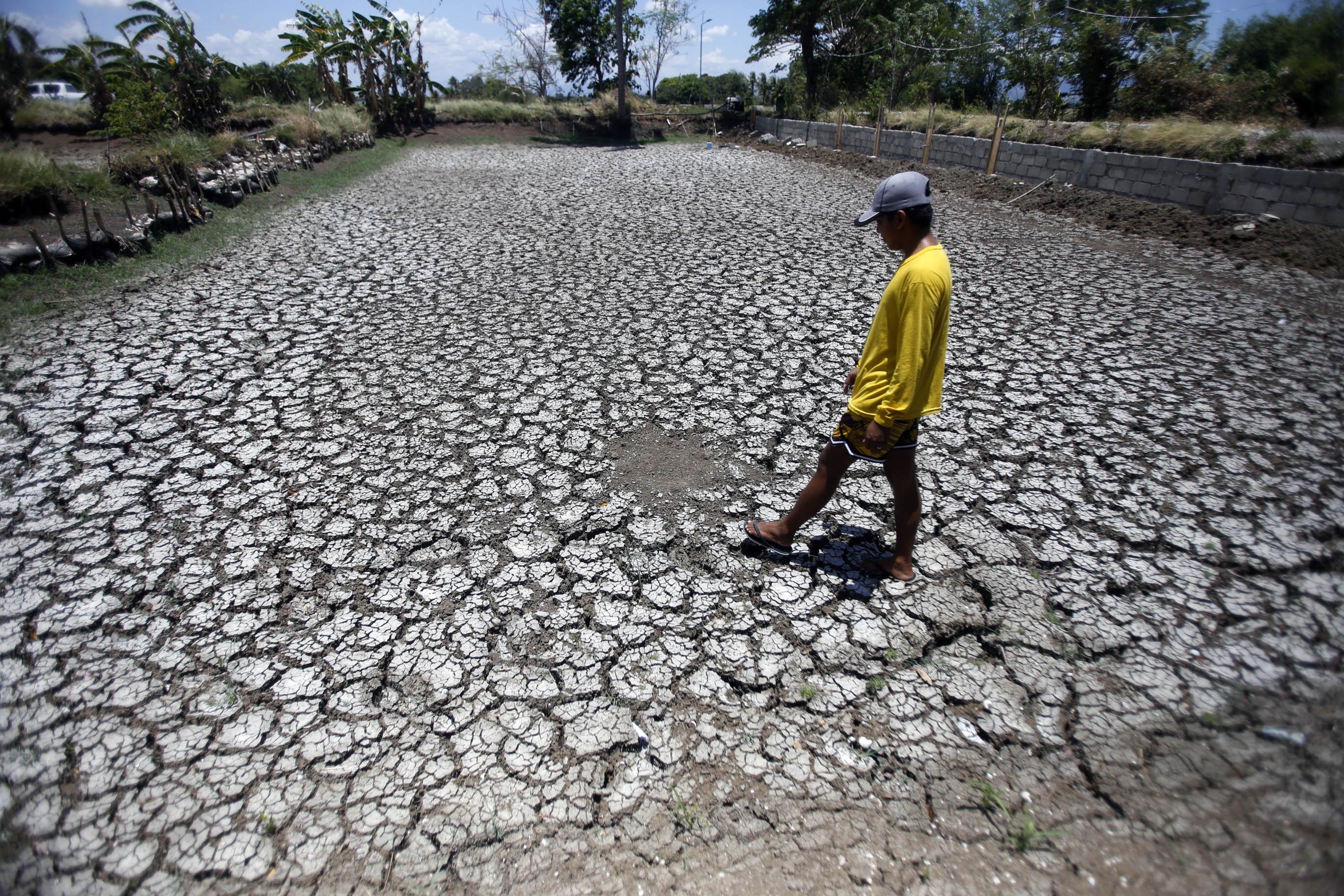
The Department of Agriculture (DA) on Monday said it is stepping up efforts to help farmers and consumers brace for a potentially strong El Niño, warning of possible declines in harvests and disruptions in the country’s food supply.
The DA said it is strengthening interventions to mitigate the impact of the weather phenomenon, including promoting drought-resistant and less water-dependent crops such as munggo in drought-prone areas, expanding irrigation support, and providing climate-resilient seeds and fertilizer assistance.
“What we learned during the 2024 El Niño will guide how we prepare and intervene this time around,” Agriculture Secretary Francisco Tiu Laurel Jr. said in a statement.
The statement comes after the state weather bureau PAGASA last month raised an El Niño alert, citing a 79% probability that the phenomenon could develop between June and August.
The DA said it is also boosting preparedness through irrigation system assessments, climate risk mapping, localized planning, and the prepositioning of drought-tolerant seeds.
It added that it remains open to purchasing up to 1.5 million metric tons of rice from its main supplier, Vietnam, at competitive prices, an arrangement the country has already agreed to.
“Just like last year, when President Ferdinand Marcos Jr. imposed an import ban from September to December to support palay prices, we will continue to balance food security with the interests of our farmers, ensuring they earn a fair return for their hard work,” Tiu Laurel said.
The DA also cited interventions under the National Rice Program (NRP) and the Rice Competitiveness Enhancement Fund (RCEF), which provide farm mechanization, irrigation support, and water-saving technologies.
Latest data from the Philippine Statistics Authority showed that crop production, which accounts for nearly 56% of the country’s total agricultural output, declined by 2.4% to P243.62 billion in the first quarter of the year.
The drop was largely due to lower palay production, which fell 6.26% to 4.4 million metric tons because of weather disturbances in late 2025 and damaged irrigation systems.—MCG, GMA News

