
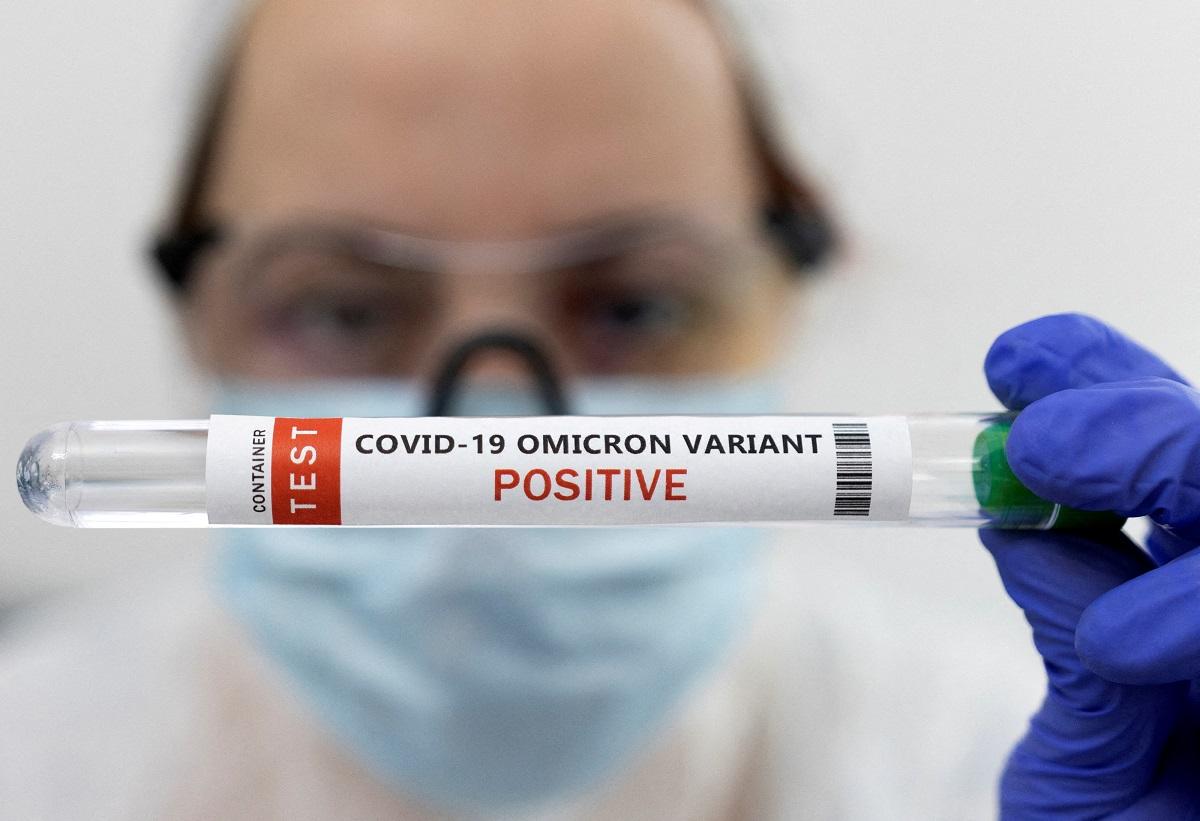
Wala pang naitatalang kaso sa Pilipinas ng COVID-19 na may kaugnayan sa bagong strain na tinatawag na “Cicada,” na natukoy na sa ilang bansa kabilang ang Amerika, ayon sa Department of Health (DOH) nitong Sabado.
“As of March 14, 2026, there have been 60 percent fewer cases of COVID-19 than in the same monitoring period last year...337 [cases] this year [compared to] 838 in 2025 from January 4 to March 14,” sabi ni DOH spokesperson Undersecretary Albert Domingo.
“Genomic sequencing for COVID-19 does not happen as frequently as before because it is no longer a Public Health Emergency of International Concern (PHEIC). It hasn't been for quite some time now, and as mentioned, there are 60 percent fewer cases. We have not detected any, but even if we did, it is not a cause for alarm or concern,” dagdag niya.
Mga dapat malaman tungkol sa ‘Cicada’ COVID variant
Unang natukoy sa South Africa noong Nobyembre 2024, ang Cicada strain (BA.3.2) ay nagmula sa Omicron lineage ng virus na sanhi ng respiratory disease, ayon sa World Health Organization (WHO).
Tinawag ng WHO ang variant na BA.3.2—na natukoy na sa 23 bansa—bilang isang COVID variant na kanilang minomonitor.
"At present, there are no clinical or epidemiological data to suggest that BA.3.2 infection is associated with increased disease severity, diagnostic failure, or reduced susceptibility to available antivirals compared with other Omicron descendent lineages," saad ng WHO sa kanilang risk evaluation sa Cicada strain noong December 2025.
"Based on current evidence, BA.3.2 does not appear to pose additional public health risks beyond those associated with other currently circulating Omicron descendent lineages, although its pronounced immune-escape profile warrants continued virological and epidemiological monitoring," dagdag nito.
Nagbigay rin kamakailan ng kaparehong assessment ang US Centers for Disease Control and Prevention tungkol sa naturang variant.
"[I]n laboratory studies, the recently emerged BA.3.2 strain efficiently evades antibodies, likely because of spike protein mutations, highlighting the need for ongoing genomic surveillance and observational evaluations of vaccine and antiviral effectiveness," saad sa US CDC report noong March 19, 2026.
Ayon kay Domingo sadyang nagkakaroon ng bagong variant ang mga virus na gaya ng COVID-19 "as is their nature."
"Until and unless the WHO and other international health bodies sound an alarm, there is no cause for concern. Standard precautions and infection control and prevention measures have always been in place,” ani Domingo.
“The DOH is more focused now on illnesses related to the hot and dry season, as well as contingency planning for the national health system in view of the state of a national energy emergency,” dagdag pa niya. — Jiselle Anne C. Casucian GMA Integrated News
